
Turkey country guide
Turkey Food Safety Regulations for Food Businesses
The principal national framework in Türkiye is Law No. 5996 on Veterinary Services, Plant Health, Food and Feed, together with related regulations and communiqués published in the Official Gazette. This guide summarises the main duties, authorities and official information relevant to food business operators.
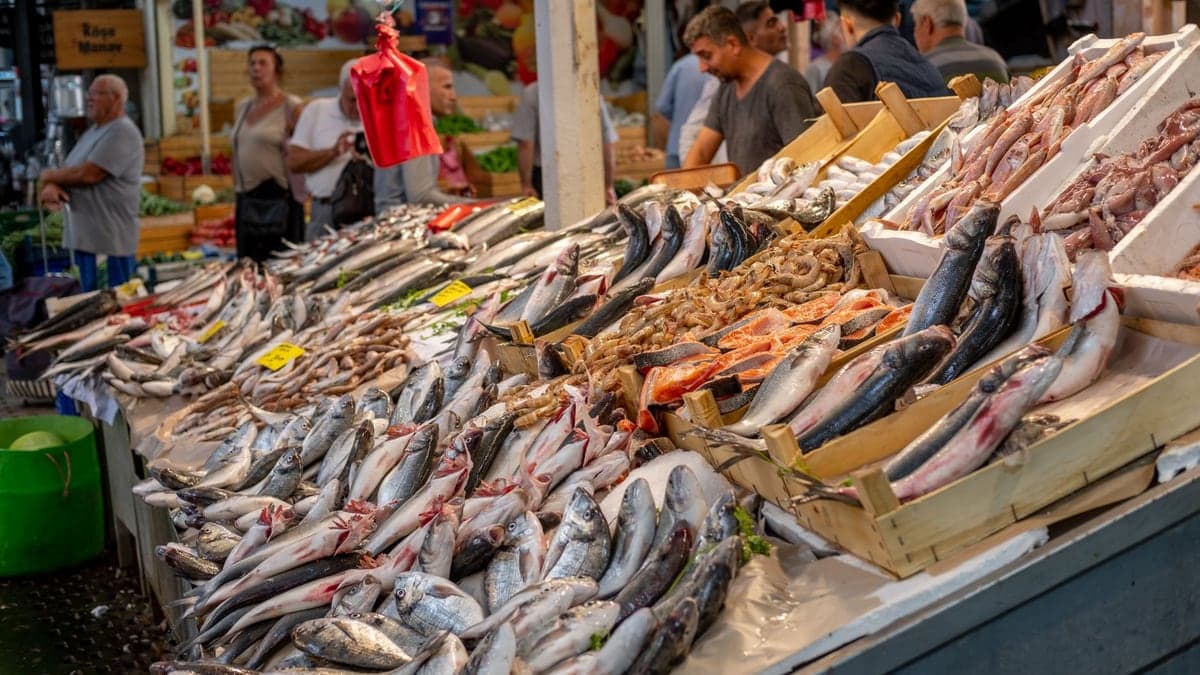
Photo by Doğan Alpaslan Demir on Pexels.
1. Regulatory framework
The principal national law is Veteriner Hizmetleri, Bitki Sağlığı, Gıda ve Yem Kanunu — Law No. 5996 on Veterinary Services, Plant Health, Food and Feed. It covers food and feed safety, animal and plant health, operator responsibilities and official controls.
Detailed requirements appear in regulations and communiqués published in the Official Gazette. Important measures include:
- Gıda Hijyeni Yönetmeliği — Food Hygiene Regulation
- Hayvansal Gıdalar İçin Özel Hijyen Kuralları Yönetmeliği — specific hygiene rules for food of animal origin
- Gıda İşletmelerinin Kayıt ve Onay İşlemlerine Dair Yönetmelik — registration and approval of food establishments
- Türk Gıda Kodeksi Gıda Etiketleme ve Tüketicileri Bilgilendirme Yönetmeliği — food labelling and consumer information
- Türk Gıda Kodeksi Mikrobiyolojik Kriterler Yönetmeliği — microbiological criteria
- Türk Gıda Kodeksi Bulaşanlar Yönetmeliği — contaminants
- Türk Gıda Kodeksi Gıda Katkı Maddeleri Yönetmeliği — food additives
- Türk Gıda Kodeksi Yeni Gıdalar Yönetmeliği — novel foods
The hygiene and animal-origin hygiene regulations are separate national regulations rather than instruments formally issued under the “Turkish Food Codex” title. Although many Turkish requirements reflect EU legislation, the applicable Turkish text may differ from the current EU rule.
3. Main duties of food business operators
Under Law No. 5996 and its implementing measures, food business operators are responsible for compliance in activities under their control. Core duties include:
- Safety: unsafe food must not be placed on the market.
- Compliance: production, processing and distribution must meet applicable requirements.
- Traceability: operators must retain supplier and customer information and other records required for effective tracing.
- Withdrawal and recall: operators must act and inform the competent authority where food may not meet safety requirements.
- Official controls: operators must provide lawful access, information and samples.
- Own controls: businesses must implement controls appropriate to their products and processes.
4. Hygiene and HACCP
The Food Hygiene Regulation establishes general hygiene requirements for food businesses, including premises, equipment, transport, waste, water, personal hygiene and training.
For activities after primary production and the associated operations covered by the primary-production provisions, operators must generally establish, implement and maintain permanent procedures based on HACCP principles: hazard analysis, critical control points, critical limits, monitoring, corrective action, verification and appropriate records.
Flexibility and documentation should reflect the nature and size of the business, but a simplified approach does not remove operator responsibility. The separate regulation for food of animal origin adds requirements for establishments such as slaughterhouses, cutting plants, meat, dairy, fish and egg operations.
5. Registration and approval
The Regulation on Registration and Approval Procedures for Food Establishments determines which establishments require registration and which require approval. Many food businesses require registration, while listed activities involving food of animal origin generally require approval.
Applications are handled by the competent Ministry directorate for the establishment. Where approval is required, the relevant activity must not begin until the required approval or conditional approval has been granted. Operators should confirm the classification, documents and timing for their exact activity with the provincial or district directorate.
6. Labelling and food information
The Turkish Food Codex Regulation on Food Labelling and Provision of Information to Consumers governs mandatory information for food supplied in Turkey. Depending on the product and exemptions, this includes the food name, ingredients, allergens, quantities of specified ingredients, net quantity, date marking, storage, operator details, origin where required, instructions and nutrition information.
Mandatory particulars must be provided in Turkish. Other languages may also appear. Product-specific communiqués, nutrition and health claim rules, and organic-agriculture legislation can impose additional requirements.
7. Imports into Turkey
Imported food is subject to official controls under Law No. 5996, implementing control rules and current product-safety and import measures. The applicable process depends on the commodity, tariff classification, origin, establishment, intended use and risk.
Requirements may include an electronic application, presentation to the competent Ministry unit, health or other official certificates, supporting analyses, documentary and identity checks, inspection, sampling or laboratory testing. Customs release is completed only after applicable Ministry controls and customs formalities are satisfied.
Importers remain responsible for Turkish product, composition and labelling compliance. Supplier documentation does not transfer that responsibility. Requirements should be confirmed against the current import measure before shipment.
8. Exports from Turkey
Export conditions depend on the product and destination. Compliance with Turkish law does not by itself establish that the destination country’s requirements are met.
Where an official certificate is required, it can be issued only by the public authority designated for the product and destination, commonly the competent Ministry directorate. Consultants and private certification bodies cannot issue government health certificates or guarantee acceptance.
9. Product-specific requirements
- Contaminants: Turkish Food Codex Contaminants Regulation
- Microbiological criteria: Turkish Food Codex Microbiological Criteria Regulation
- Additives: Turkish Food Codex Food Additives Regulation
- Novel foods: Turkish Food Codex Novel Foods Regulation
- Food supplements: relevant Turkish Food Codex supplement rules
- Organic food: organic-agriculture legislation and authorised control and certification arrangements
- Food-contact materials: applicable Turkish Food Codex and other national measures
The applicable requirements vary with ingredients, claims, process, origin, destination and business type.
10. Practical points for food businesses
- Identify the Turkish regulations and communiqués applying to the product and activity.
- Obtain establishment registration or approval before commencing the relevant activity.
- Implement applicable hygiene and proportionate HACCP-based controls.
- Review labels, allergens and Turkish-language particulars before market placement.
- Confirm import applications, certificates, controls and customs requirements before shipment.
- For exports, establish destination requirements and the correct official certifying authority.
- Keep private customer certification separate from legal compliance.
- Do not rely on consultants or directory listings for government approvals or certificates.
