
Portugal country guide
Portugal Food Safety Regulations for Food Businesses
Portugal operates within the European Union food-law framework, but national authorities and local practices also matter for food businesses. This guide explains the Portuguese food-safety landscape for manufacturers, caterers, importers, exporters, wholesalers and retailers. It covers the main authorities, key business responsibilities, HACCP, imports and exports, voluntary certification and the role of consultants. Requirements differ by product, activity, establishment and trade route, so this page is a general orientation rather than a legal checklist. Food safety consultants may help businesses understand or improve their systems, but they do not replace the business’s own responsibility for compliance, and they do not make regulatory or certification decisions.
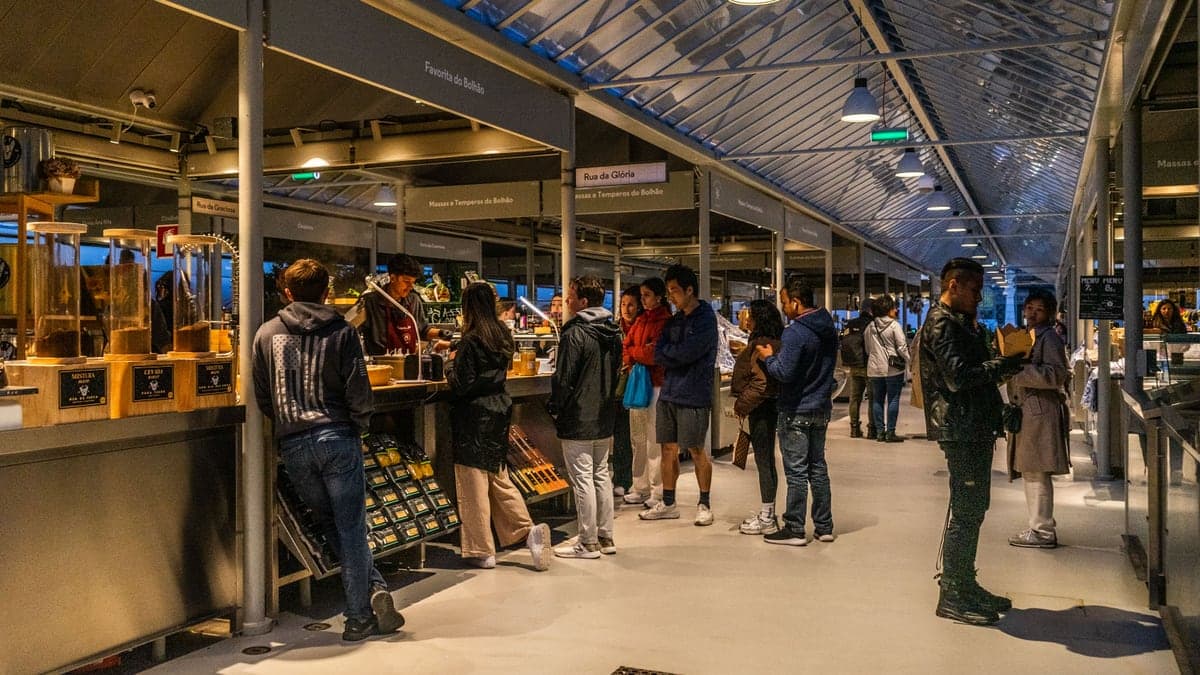
Photo by Uiliam Nörnberg on Pexels.
Understanding food safety in Portugal
Food businesses in Portugal must apply controls that reflect their actual products, processes, scale and hazards. A small bakery, a meat-processing plant, an importer of shelf-stable groceries, a seafood exporter and a restaurant do not face the same risks or the same detailed requirements.
Food manufacturing and processing generally require formal HACCP-based procedures and strong prerequisite programmes, particularly where allergens, microbiological hazards or product handling create risk. Restaurants and catering operations need controls based on hygiene, time and temperature, cleaning, supplier management and staff training, although documentation may be adapted to the business. Retail and wholesale businesses need traceability, storage controls, labelling and supplier verification. Import and export activities add customs, official-control and destination-market considerations.
Products of animal origin, such as meat, dairy, fish, eggs and honey, are typically more tightly controlled than many products of non-animal origin. Product-specific national or EU measures may also apply. Businesses should identify the rules relevant to their exact activity and products rather than assume that one general checklist applies.
Food law and business responsibilities
The main obligations come from EU law, which applies directly in Portugal. National authorities enforce those obligations and may have national procedural or organisational measures.
Regulation (EC) No 178/2002 requires safe food, makes operators responsible for food placed on the market, and requires one-step-forward and one-step-back traceability. Businesses must be able to withdraw or recall unsafe food and cooperate with authorities.
Regulation (EC) No 852/2004 governs hygiene for most food businesses, while Regulation (EC) No 853/2004 adds specific rules for products of animal origin. Appropriate prerequisite programmes cover premises, equipment, cleaning, pest control, personal hygiene, temperature, water quality and training.
Regulation (EU) No 1169/2011 covers food information and labelling, including allergens, ingredients, origin where required, and understandable language. Regulation (EU) 2017/625 organises inspections, sampling, enforcement and official controls on non-EU imports.
This is not exhaustive. Registration or approval, local licensing and product-specific measures vary. Confirm the requirements for your products and activities with the relevant authority or a suitably qualified adviser.
HACCP and food safety management in Portugal
Primary-production qualification: Article 5 of Regulation (EC) No 852/2004 applies to stages after primary production and the associated operations listed in Annex I. Article 5 does not apply where activities are limited to that primary production and those associated operations. Direct primary producers should confirm separate national, sector-specific or customer requirements.
For operations in scope, food business operators must put in place, implement and maintain procedures based on HACCP principles. The system should be specific to the business rather than copied from an unrelated operation.
A useful system starts with cleaning, pest control, maintenance, supplier approval, personal hygiene, storage and temperature management. Hazard analysis should assess realistic risks in raw materials, process, product and intended use. Critical control points and monitoring should be established only where genuinely needed to control a significant hazard.
Documentation and complexity can be adapted to the size and nature of the business. A consultant may develop or review plans, assess hazards, train staff or prepare for audits, but responsibility remains with the business. The consultant does not replace the business, regulator or certification body.
Importing food into Portugal
Food moving from another EU member state is not generally a customs import. The receiving business must still ensure safety, traceability, correct labelling and compliant suppliers. Some products of animal origin may need approved or registered establishments and relevant commercial documents.
Food from outside the EU is subject to customs formalities and may require official food-safety or veterinary controls. The process depends on commodity, origin, establishment, intended use and applicable measures. Products of animal origin generally enter through a designated EU border control post and may require prior notification, official certificates and documentary, identity or physical checks through TRACES NT. Controlled non-animal products may require specific checks, notification or a common health entry document; other foods remain subject to customs entry and risk-based controls.
Mandatory information for final consumers must generally be easily understood. In practice Portuguese is usually expected, but another language’s acceptability should be confirmed for the product and channel. Confirm the route, documents, notifications and checks with the relevant authority and customs before shipment.
Exporting food from Portugal
Portuguese and EU compliance does not automatically satisfy every export market. Exporters may need to meet destination rules and customer specifications covering additives, contaminants, language, product names, packaging, shelf life, establishment approval, import permits, testing and private standards. Some countries require official health or export certificates. Traceability and batch records are usually important.
Customs formalities may apply to exports outside the EU. The Portuguese Tax and Customs Authority handles customs, but does not decide foreign import requirements. A consultant can support documentation and readiness, but cannot guarantee or issue official certificates, approvals or destination-market acceptance. Authorities, customs specialists, laboratories, lawyers or destination specialists may also be needed.
Certification and customer standards
Legal compliance, customer approval and voluntary certification are distinct. Legal compliance means meeting mandatory requirements. Customer approval adds a buyer’s requirements. Voluntary certification is a private audit in which an independent certification body assesses a chosen standard.
ISO 22000, FSSC 22000, BRCGS, IFS and SQF are generally voluntary or customer-driven, not a general legal condition for placing food on the Portuguese market. A customer, export market or supply chain may nevertheless require one.
Confirm the exact scheme, category, scope, version and customer expectation before starting. Certification decisions are made by the appointed certification body, not a consultant; consultancy and certification functions should remain separate.
Support a food safety consultant may provide
- HACCP plan development or review
- Food safety management system design and improvement
- Prerequisite programme review
- Allergen management support
- Labelling and product specification support
- Supplier approval programme support
- Traceability and recall procedure review
- Internal audits and pre-audit preparation
- Certification-readiness support
- Import or export documentation support
- Staff training and food safety culture support
- Corrective-action planning and root-cause review
Choosing a food safety consultant in Portugal
Look for practical experience with your product and process, understanding of relevant Portuguese and EU requirements, and an agreed working language. Ask about similar manufacturers, caterers, importers or exporters; the exact certification scheme and scope; and relevant documentation or supply-chain experience.
Clarify scope, deliverables, timeline, fees, knowledge transfer, references, confidentiality and on-site availability. A consultant should be independent from the certification body making a certification decision, because combining the functions can create impartiality concerns.
Find HACCP Consultants provides a directory to help businesses identify potential consultants, but listings are not endorsed, certified, vetted or verified. Businesses should review qualifications and suitability themselves.
What to prepare before contacting a consultant
- Product list, recipes or formulations
- Ingredients and allergen information
- Process flow and production method
- Existing HACCP or food-safety documents
- Supplier and raw material information
- Current labels and product specifications
- Audit or inspection findings
- Target markets and customer requirements
- Import or export activity details
- Expected scope, timeline and budget

