
Japan country guide
Japan Food Safety Regulations for Food Businesses
Japan’s food safety system is based on the Food Safety Basic Act, the Food Sanitation Act and the Food Labeling Act, together with related regulations and standards. The rules apply to manufacturers, processors, restaurants, caterers, retailers, wholesalers, importers and exporters. This page summarises the main legal duties, the authorities involved and where to find official information.
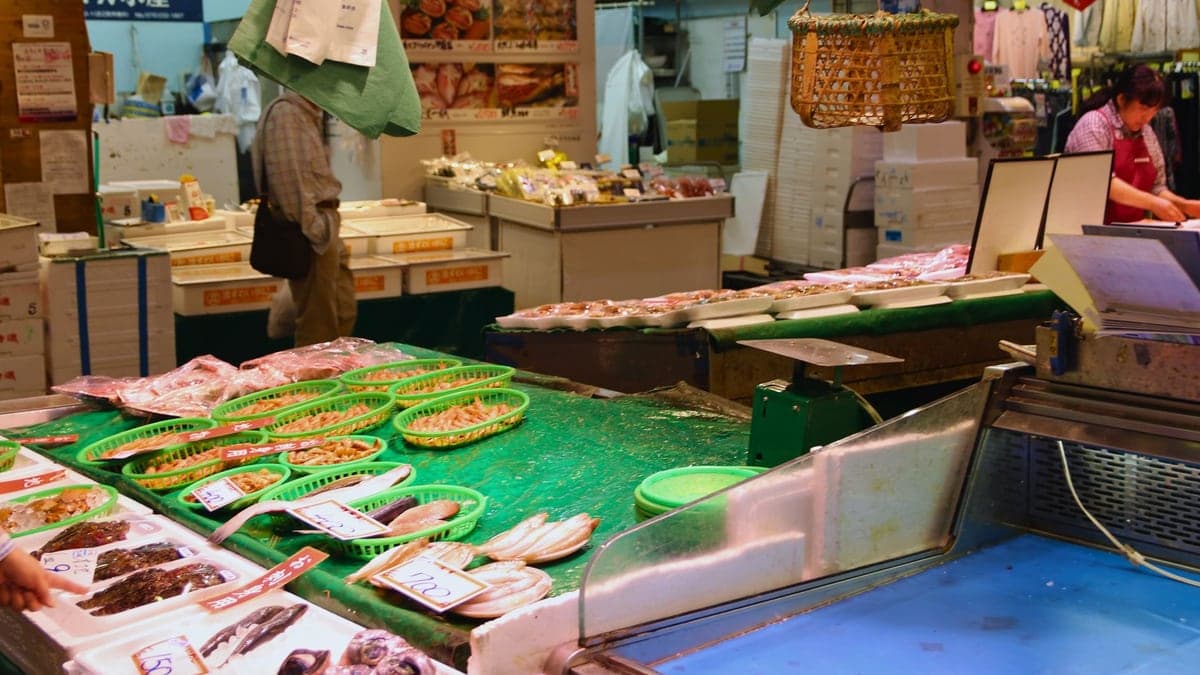
Photo by Bruna Santos on Pexels.
1. Regulatory framework
The principal national laws are:
- Food Safety Basic Act / 食品安全基本法 — sets the general framework for food safety policy and risk assessment.
- Food Sanitation Act / 食品衛生法 — the main law on food safety, food hygiene, food additives, apparatus and containers, inspection, and import and export controls.
- Food Labeling Act / 食品表示法 — the main law on food labelling and nutrition labelling.
Supporting rules include Cabinet orders and ministerial ordinances under the Food Sanitation Act; food labelling and nutrition standards; MHLW standards and specifications for food, additives and food-contact materials; and Japanese Agricultural Standards for organic and certain quality-labelled products.
Requirements vary by product, activity, business type, origin and destination.
3. Main duties of food business operators
Operators are legally responsible for safe, compliant food at every stage under their control.
- Safety: unsafe food or food failing applicable sanitation standards must not be manufactured, imported, sold or supplied.
- Traceability: keep supply-chain records where required.
- Withdrawal and recall: stop supply, withdraw or recall unsafe or non-compliant food and notify the competent authority.
- Cooperation: provide inspectors access to premises and records and allow sampling.
- Own checks: carry out appropriate hygiene management and checks.
4. Hygiene and HACCP
All food business operators in Japan are required to implement hygiene management based on HACCP principles. Standard HACCP-based hygiene management generally applies to larger and higher-risk businesses; smaller businesses and certain sectors may use simplified HACCP-based hygiene management and official sector-specific guidelines.
Operators must implement an appropriate hygiene management plan covering hazard identification, critical control points, monitoring, corrective actions and proportionate documentation. MHLW publishes guidelines for retail, catering, small manufacturing and other sectors, but legal responsibility remains with the operator.
5. Licensing and notification
Food businesses must generally obtain a business licence / 営業許可 or submit a notification / 届出, depending on their category. Cabinet Order licensing categories include restaurants, manufacturers and sellers handling certain higher-risk products; other businesses may require notification.
The prefectural governor or designated city mayor handles the procedure. Operators must complete it before starting and meet applicable structural and hygiene requirements. The exact requirement depends on activity and location.
6. Labelling and food information
The Food Labeling Act and related standards govern prepacked food. Requirements generally include the food name, ingredients, allergens where required, net quantity, best-before or use-by date, storage conditions, manufacturer/importer/distributor name and address, origin where required, and applicable nutrition information.
Mandatory food information must generally be in Japanese, and imported food needs Japanese labelling before sale. Additional rules apply to health foods, foods with function claims, genetically modified food, organic food and certain processed products.
7. Imports into Japan
Imported food must comply with Japanese standards and specifications. Importers generally submit an import notification / 輸入届出 for each consignment to the relevant quarantine station before or at import.
Controls may include document examination, consignment inspection and laboratory testing. Some products need government certificates, exporting-country documents, prior inspection or registration. Customs clearance is normally linked to completion of food sanitation procedures. The importer remains legally responsible; a foreign supplier’s certificate does not remove that responsibility.
8. Exports from Japan
Requirements depend on destination and product. Exporters must comply with Japanese law and importing-country requirements. Official export and health certificates are issued only by the appropriate authority, which may be an MHLW quarantine station, MAFF, the Animal Quarantine Service, the Plant Protection Station or another authorised public body.
Private consultants, certification bodies and directories cannot issue official export certificates or government approvals. Directory listing is not official verification or approval.
9. Product-specific requirements
- Food additives: only approved additives may be used within Japanese standards and specifications.
- Residues and contaminants: applicable maximum residue limits and Food Sanitation Act standards.
- Food-contact materials and equipment: Japanese standards and specifications.
- Health foods: specified health uses, function claims and related categories may need notification or approval.
- Organic food: Japanese Agricultural Standards certification through a registered certification body.
- Genetically modified food: labelling and safety assessment requirements may apply.
Requirements vary by product, origin, destination, processing activity and business type.
10. Practical points for food businesses
- Identify the laws, standards and specifications applying to the product and activity.
- Obtain the correct licence or submit notification before starting.
- Implement appropriate HACCP-based hygiene management using official sector guidance where available.
- Review Japanese labelling, allergen and nutrition requirements before sale.
- Check import notification, quarantine inspection and customs requirements early.
- For exports, confirm destination requirements and use the correct official certifying authority.
- Keep private certification separate from legal compliance; it does not replace licences or legal duties.
- Do not rely on consultants or directory listings for official approvals or certificates.
