Singapore country guide
Singapore Food Safety Regulations for Food Businesses
Food businesses operating in or supplying Singapore must comply with Singapore’s national food-safety, licensing, labelling and import-control requirements. The Singapore Food Agency (SFA) is the principal food-safety authority. This guide gives a practical overview; requirements vary by product, premises, activity and trade route.
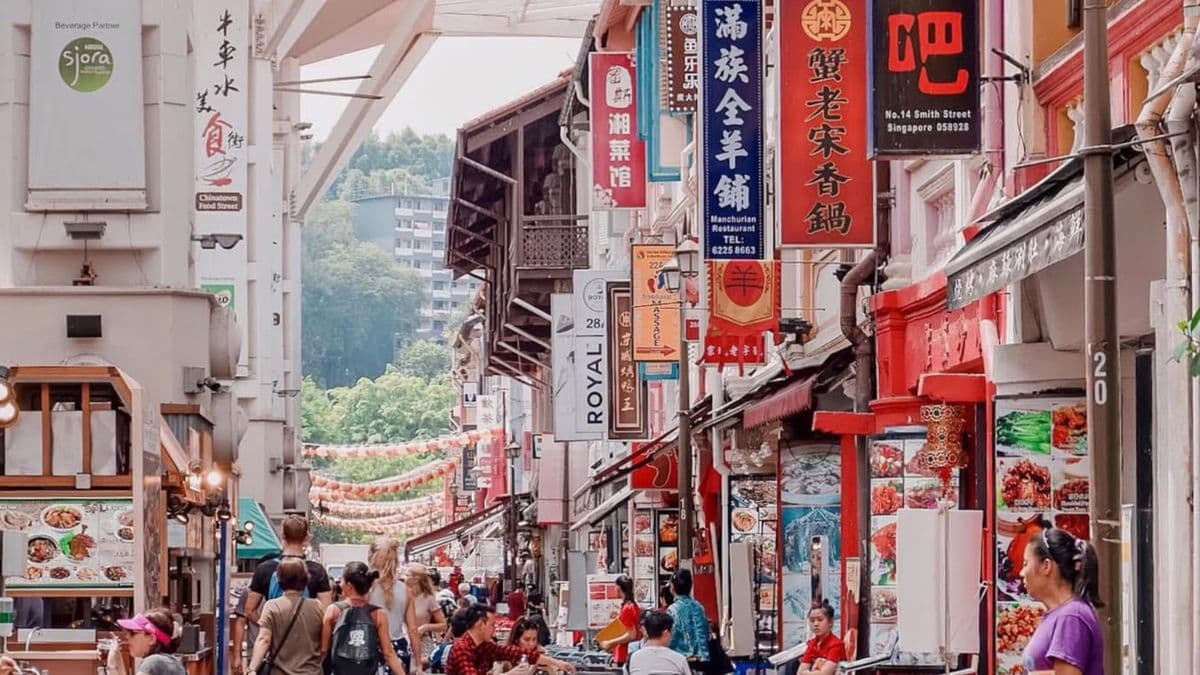
Photo by Dennise Anorico on Pexels.
Information reviewed: 2 September 2026. Check the official sources below for current commencement dates and requirements.
1. Regulatory framework
The current framework includes the Sale of Food Act, the Food Regulations, the Wholesome Meat and Fish Act, and other activity- or product-specific legislation.
The Food Safety and Security Act 2025 has been enacted to consolidate and modernise parts of this framework. Its requirements take effect according to the applicable commencement provisions. Businesses should verify which provisions are currently in force before relying on the new Act.
Singapore is not an EU Member State, so EU food law does not apply directly. Requirements depend on the product, activity, origin and destination.
3. Responsibilities of food businesses
Businesses are responsible for ensuring that food they place on the Singapore market complies with applicable requirements. Depending on the activity, product and licence conditions, a business may need to maintain supplier and distribution records, conduct food-safety checks, cooperate with inspection and sampling, and take corrective action.
SFA may direct a business to stop sale, withdraw or recall food. Notification, traceability, record-keeping and recall duties depend on the applicable law, licence conditions, product and incident; businesses should promptly consult SFA when food may be unsafe or materially non-compliant.
4. Hygiene, food-safety systems and HACCP
Applicable SFA rules and licence conditions may cover premises, equipment, cleaning, pest control, water, personal hygiene, training, temperature control and process controls.
HACCP is not universally mandatory for every food business. Certain licensed establishments may be required by SFA, their licence conditions or an applicable programme to implement a Food Safety Management System. The required system may incorporate HACCP principles or another recognised approach.
A documented system, use of HACCP principles and third-party HACCP certification are related but distinct. Businesses should check the requirement for their particular licence category and premises.
5. Licensing and registration
Many food establishments and certain food importers must obtain an SFA licence or registration before beginning the regulated activity. No single licence applies to every food business.
- food processing establishments, cold stores and slaughterhouses
- restaurants, caterers, food shops and food stalls
- importers of food categories subject to licensing or registration
The precise requirement depends on the premises, activity and food category. Other planning, building, fire-safety, environmental or business approvals may apply separately.
6. Labelling and food information
Prepacked food sold in Singapore must comply with the applicable Food Regulations. Depending on the food and circumstances, required particulars may include:
- the food name or description, ingredients and required allergen declarations
- net quantity and the name and address of the responsible local business
- date marking and country-of-origin information where required
- nutrition information where required, including for specified foods or claims
- storage or use instructions where applicable
Required particulars must generally appear in English; additional languages may also be used. The exact date, origin and nutrition requirements are product-specific. Businesses making nutrition, health or organic claims should ensure that claims are accurate, substantiated and compliant with applicable rules.
7. Imports into Singapore
Importers must obtain the SFA licence or registration applicable to the food category and the required TradeNet cargo clearance permit for each consignment before import or clearance.
Depending on the product and origin, controls may include source-country or overseas-establishment accreditation, health certificates, laboratory reports, inspection or sampling. Additional controls commonly apply to meat, fish, eggs, fresh fruit and vegetables, and processed food. A supplier certificate does not remove the importer’s responsibility.
8. Exports from Singapore
Exporters must identify the destination country’s requirements for the particular product. Where the destination requires an official government certificate, it must be issued or endorsed by SFA or another authority authorised for that product.
Consultants may help with preparation but cannot issue an SFA licence, a Singapore government health certificate or another government approval. A certification body may issue a private scheme certificate; private certification is separate from government licensing and official export certification.
9. Product-specific requirements
- Additives, contaminants and residues: check permitted substances and applicable maximum limits.
- Microbiological criteria: identify criteria in legislation, licence conditions and current SFA guidance for the product.
- Packaging and food-contact materials: materials must not render food unsafe or unsuitable and may be subject to compositional or use restrictions.
- Novel or genetically modified food: check whether pre-market safety assessment or another SFA requirement applies.
- Special dietary foods and health products: confirm the product classification and whether SFA or HSA requirements apply.
- Organic claims: ensure claims are accurate and substantiated; distinguish private certification and destination-market standards from Singapore government approval.
10. Practical points for food businesses
- Confirm the current law, commencement provisions, licence category and product-specific SFA requirements.
- Obtain all required licences, registrations and premises approvals before starting the regulated activity.
- Implement proportionate hygiene controls and the food-safety system required for the operation.
- Review English labelling, allergens, claims, date marking and nutrition requirements before sale.
- For imports, arrange SFA licensing or registration, TradeNet permits and product-specific evidence early.
- For exports, confirm destination requirements and use the appropriate competent authority for government certificates.
- Treat private certification as separate from legal compliance and government approval.