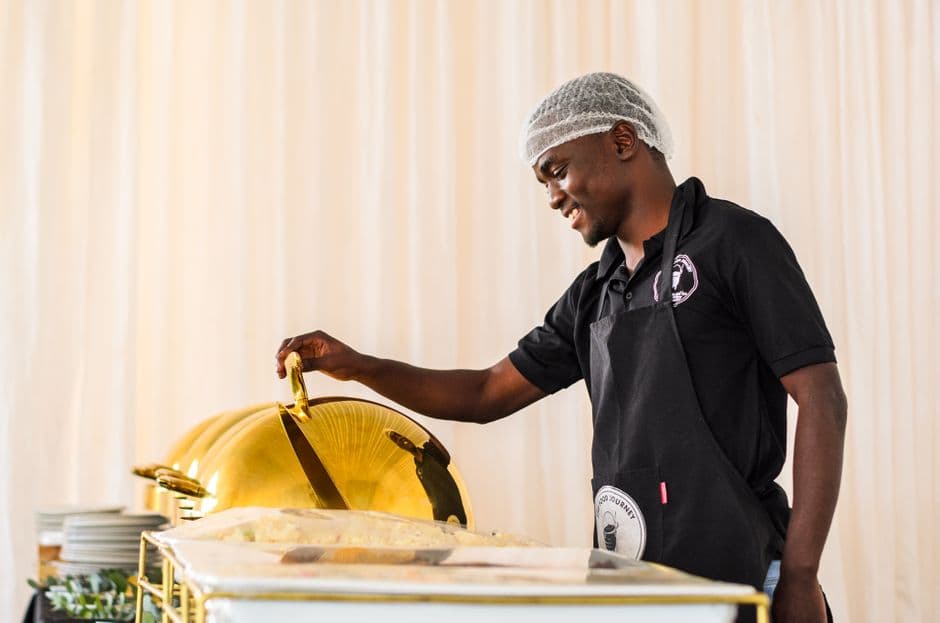
Catering food safety consultants help businesses that prepare food in one place and serve it somewhere else. That includes event caterers, contract caterers working across client sites, mobile units, and central kitchens supplying multiple locations. The risks are different from a restaurant with a fixed kitchen. Food often travels, sits in hot or cold holding, gets set up in temporary spaces, and is served by staff who may only work one event. A good consultant understands those realities and builds systems that work under pressure. They help with HACCP plans, time and temperature controls, allergen procedures, cleaning routines for temporary sites, and training for short-term staff. If your catering business is growing, taking on bigger events, or being asked for documentation by clients or relevant authorities, a specialist can help you stay safe and professional.
Common food safety challenges
Catering throws up problems you rarely see in a standard kitchen. Food is often prepared in advance and transported, so you need clear controls for cooking, chilling, labelling, and transport time. Hot and cold holding can drift, especially at long events or outdoor venues with limited utilities. Temporary kitchens and mobile units may lack the equipment, water supply, or waste facilities you’re used to. Buffet service means food can remain on display for extended periods, and reheating adds another layer of risk if service windows slip. Equipment breakdowns—like a fridge failing on a hot day—can put a whole event at risk. Allergen information has to remain accurate even when menu changes happen at the last minute. Staff hired for individual events may not know your procedures, and contract catering across client sites makes consistency harder. Records need to be simple enough to fill in during a busy service, not forgotten on a clipboard. Contingency planning matters too: delays, weather, or venue changes can force you to rethink transport and holding arrangements on the spot.
How to choose a catering food safety consultant
Look for someone who understands catering specifically, not just general food safety. A consultant who mainly works with restaurants or factories may not appreciate the logistics of moving food, setting up in a field, or serving 300 guests from a temporary tent. Ask about their experience with your type of operation—event catering, mobile units, contract catering, or central kitchens—and the venues you work in. Ask how they approach transport, setup, time and temperature controls, and service delays, because these can introduce risks that do not arise in the same way at a fixed site. A good consultant should visit a real event or at least walk through your production kitchen and a typical service setup before advising. Event staff need quick visual records, not long forms. Check references from comparable caterers and ask whether the consultant has supported regulatory inspections, client audits, or tender submissions. Look for someone practical who can plan for delays, weather, and venue changes—not just the ideal scenario.
How to prepare
A description of the events or contracts you cater for
Details of any transport, hot holding, or cold holding you use
Current HACCP documents, records, or client requirements
Recent issues, complaints, or inspection findings
Frequently asked questions
What should we consider when food is prepared in advance and transported?+
Time and temperature control can be important, but the relevant hazards depend on the food, preparation method, packaging, transport conditions, and intended service. Businesses may also need to consider contamination, allergens, traceability, damaged packaging, and unsuitable transport equipment. A consultant can help define practical limits, monitoring points, and actions for when those limits are not met.
Do we need allergen procedures for a buffet or event?+
Catering businesses need a reliable way to identify and communicate the allergen information required for the food they provide. Exact requirements and permitted methods vary by jurisdiction and service model. Collecting dietary information before an event can help with planning, but it does not replace accurate ingredient information, controls for recipe changes, communication between teams, or management of cross-contact.
What if we work at outdoor events with limited utilities?+
Limited power, water, refrigeration, and waste facilities need to be considered before arrival. Depending on the menu and assessed risks, the plan might involve changing what is prepared on site, using suitable temperature-controlled equipment, carrying backup equipment, or agreeing utility and waste arrangements with the venue.
Do we still need records when we’re busy serving guests?+
You need records where they are required by your food-safety system, customer, contract, or applicable rules, and they need to be practical enough to complete during service. A consultant can design forms that fit the flow of an event. The goal is to show that important controls were monitored, not to create paperwork for its own sake.
Browse by industry
Directory results
Browse consultants with stated experience supporting catering businesses.
Find HACCP Consultants is an independent directory for discovering HACCP and food-safety professionals. Listings are provided for information only. Unless expressly stated, we do not verify, certify, accredit or endorse a provider, and we are not a party to any engagement between users and consultants. Users should verify qualifications, experience, insurance, references and regulatory suitability before appointing a provider.