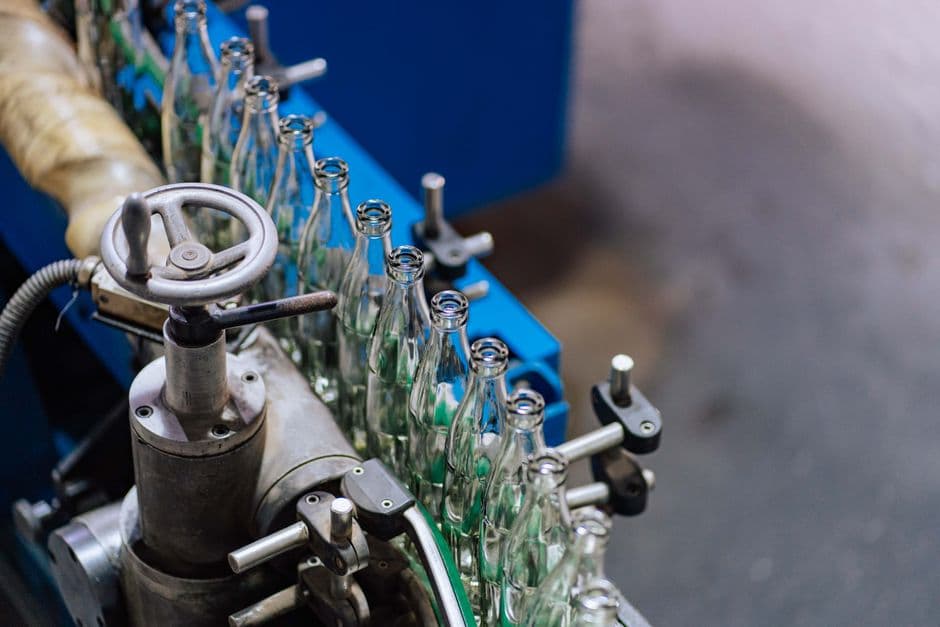
Beverage production involves specific food safety risks related to microbial growth, pH, water quality, carbonation, and packaging integrity. A consultant can help with HACCP, process validation, cleaning, and audit preparation. This page explains common challenges, the support a consultant may provide, and how to choose help that fits your operation.
Common food safety challenges in beverage production
Beverage manufacturers face a range of risks depending on the product type. Low-acid beverages can support the growth of harmful microorganisms if thermal processing or other preservation steps are not properly validated. Acidified beverages require careful pH control and monitoring. Water quality is critical because water is often the main ingredient and can introduce chemical or microbiological hazards. Carbonated and non-carbonated products both require packaging integrity to prevent contamination and spoilage. Cleaning and sanitation of tanks, fillers, and transfer lines may require clean-in-place procedures and verification. Some beverages contain allergens such as milk, soy, or juice ingredients, and cross-contact must be controlled. Shelf life depends on formulation, preservatives, packaging, and storage conditions, while labelling must meet the requirements of each target market.
Choosing a consultant for beverage operations
Look for a consultant with experience in beverage processing and knowledge of the specific technologies used in your facility, such as thermal processing, carbonation, aseptic filling, or cold chain handling. Ask about their understanding of microbial risks, water safety, and packaging. Confirm the deliverables and whether they can support your target certification or customer requirements. Find HACCP Consultants provides a directory to help you identify potential consultants, but listings are not endorsed, certified, vetted, or verified. Review qualifications and suitability yourself.
How to prepare
Product list and full formulation details
Process flow including pH, thermal steps, and packaging type
Water source and treatment details
Cleaning and sanitation procedures
Existing HACCP or food safety documentation
Packaging and shelf-life information
Previous audit findings or customer complaints
Target markets and customer requirements
Frequently asked questions
What are the main microbial risks in beverages?+
The risk depends on the product’s pH, water activity, preservatives, and packaging. Low-acid beverages generally need stricter processing controls, while acidified beverages rely on pH and other barriers. A consultant can help assess your specific product.
Is HACCP required for beverage manufacturers?+
Many countries require food businesses, including beverage manufacturers, to implement food safety management based on HACCP principles. Customer and certification requirements may also apply. Confirm the rules in your market.
How do consultants help with beverage shelf life?+
A consultant can help review your formulation, processing, packaging, and storage conditions. They may support stability testing, preservative evaluation, or packaging studies to help determine a safe and realistic shelf life.
What certifications are common for beverage facilities?+
Some retailers and customers request GFSI-recognised schemes such as BRCGS, SQF, or FSSC 22000. Certification is not always required, and requirements vary by customer and market.
Browse by industry
Directory results
Browse consultants with stated experience supporting beverages businesses.
Find HACCP Consultants is an independent directory for discovering HACCP and food-safety professionals. Listings are provided for information only. Unless expressly stated, we do not verify, certify, accredit or endorse a provider, and we are not a party to any engagement between users and consultants. Users should verify qualifications, experience, insurance, references and regulatory suitability before appointing a provider.