France country guide
France Food Safety Regulations for Food Businesses
Food businesses operating in or supplying France must comply with directly applicable EU food law, French national rules and local procedures. The Direction générale de l'alimentation (DGAL) leads food-hygiene and sanitary-safety controls, with departmental services such as the DDPP or DDETSPP handling local oversight. This guide gives a practical overview; requirements vary by product, premises, activity and distribution route.
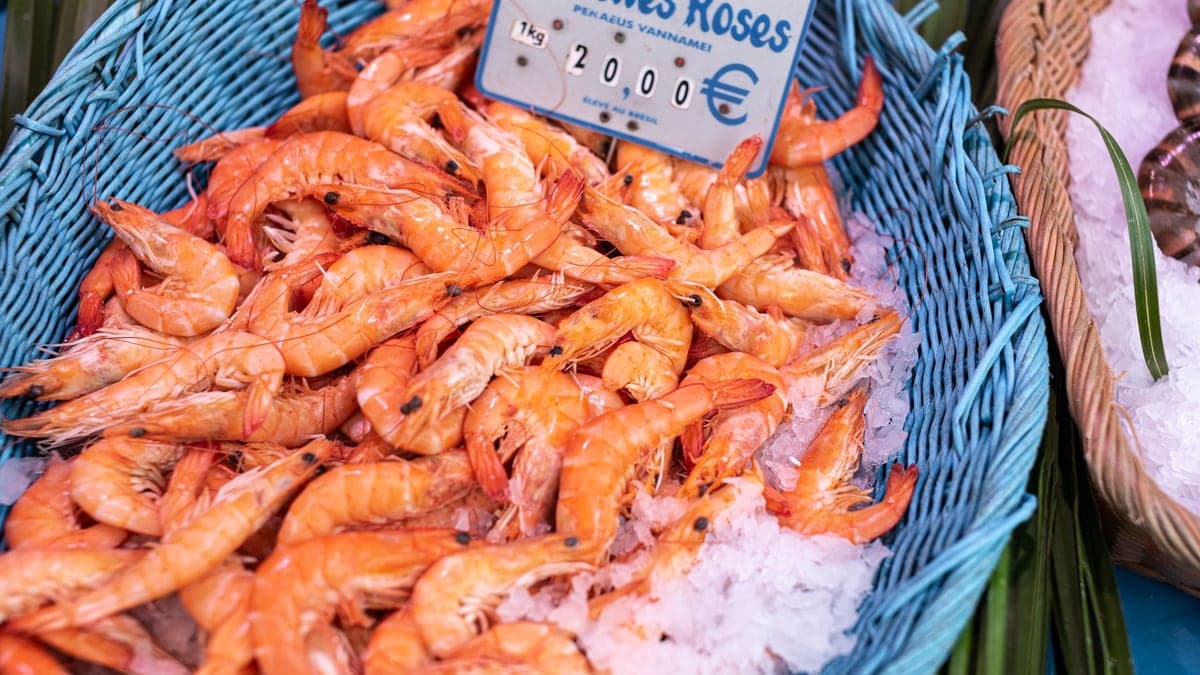
Photo by Dominik Gryzbon on Pexels.
Information reviewed: 3 September 2026. Check the official sources below for current requirements and commencement dates.
1. Regulatory framework
The General Food Law in Regulation (EC) No 178/2002 establishes core principles including food-business responsibility, traceability and the withdrawal or recall of unsafe food. The EU Hygiene Package adds general hygiene rules in Regulation (EC) No 852/2004 and specific requirements for foods of animal origin in Regulation (EC) No 853/2004.
Regulation (EU) 2017/625 sets the framework for official controls. Regulation (EU) No 1169/2011 governs food information to consumers, while product-specific rules may address microbiological criteria, contaminants, additives, novel foods and organic production. French provisions in the Code rural et de la pêche maritime and Code de la consommation operate alongside those directly applicable EU rules.
The relevant framework depends on the food, process, premises, intended market and distribution route. A business should identify both the EU rules and the French administrative procedure that apply before starting or changing an activity.
3. Plan de maîtrise sanitaire and HACCP
Food businesses must operate hygiene controls appropriate to their activity. In France, the documented system is commonly organised as a Plan de maîtrise sanitaire (PMS). It normally brings together good hygiene practices, operating procedures, monitoring, corrective actions, traceability and verification.
Businesses other than primary production must establish, implement and maintain procedures based on HACCP principles under Regulation (EC) No 852/2004. The approach should be proportionate to the hazards and scale of the operation, but proportionality does not remove the operator's responsibility for safe food.
- premises, equipment, cleaning and disinfection controls
- pest control, waste handling and personal hygiene
- temperature, time and process controls where relevant
- supplier approval, incoming checks and traceability
- allergen management, complaints, corrective action and recall procedures
4. Registration, declaration and sanitary approval
The administrative requirement depends on the products handled and the recipients supplied. A business handling foods of animal origin may need to submit an activity declaration before opening or starting the relevant operation. The Cerfa 13984 form is used for the applicable declaration process, with the local DDPP or DDETSPP as the practical point of contact.
An establishment that handles relevant products of animal origin and supplies them to another food business will often require sanitary approval under Regulation (EC) No 853/2004. Direct-to-consumer activities can fall under different rules or exemptions. The conclusion depends on the food, processes, quantities, recipients and distribution arrangements, so businesses should confirm their position before operating.
Approval, registration or declaration is separate from a private certification audit. A consultant may prepare a PMS, HACCP study or application package, but the competent authority decides whether an official requirement has been satisfied.
5. Labelling and food information
Prepacked food marketed in France must meet Regulation (EU) No 1169/2011 and applicable French implementing rules. Depending on the food and circumstances, mandatory information may include the name of the food, ingredients, highlighted allergens, quantity, date marking, storage conditions, responsible operator and nutrition declaration.
Mandatory information must be provided in French, subject to the legal rules and exceptions applicable to the product. Distance selling, food served without prepackaging, menu information and non-prepacked allergen communication can follow different presentation rules.
Claims, nutrition and health representations, origin statements, organic references and special-dietary presentations require separate checks. A translated label should be reviewed for both language accuracy and legal completeness before use.
6. Traceability, withdrawal and recall
Food businesses must be able to identify relevant suppliers and business customers and keep records proportionate to the activity. Traceability information should support rapid investigation, targeted withdrawal and communication with the competent authority when necessary.
If a business has reason to believe that food is unsafe or does not comply with applicable requirements, it should assess the risk promptly, stop or restrict distribution where appropriate, withdraw or recall affected food and notify the competent authority when required. The PMS should define responsibilities, escalation and record-keeping.
7. Imports into France and the EU
Food entering France from outside the EU must satisfy the applicable EU and French rules for its product category. Depending on the goods, import controls can include documentary, identity and physical checks at an approved Border Control Post, prior notification, official certificates and records in the applicable TRACES NT workflow.
Importers remain responsible for verifying suppliers, specifications, labelling, traceability and admissibility. Customs release does not replace sanitary clearance or an official decision. Requirements can differ for products of animal origin, composite products, plant products, food supplements and foods subject to enhanced controls.
8. Exports from France
Exporters must satisfy French and EU requirements as well as the conditions of the destination country. Some destinations require an official health or sanitary certificate, attestations, laboratory evidence or establishment eligibility. The relevant competent authority issues official government certificates where the legal conditions are met.
Consultants and private certification bodies can help prepare evidence and systems but cannot issue a French government certificate, sanitary approval or customs decision. Private scheme certification remains separate from official export documentation.
9. Product-specific and sector requirements
- Animal-origin foods: check whether Regulation (EC) No 853/2004 approval, identification marks or specific hygiene controls apply.
- Restaurants and catering: maintain proportionate hygiene controls, allergen information, temperature management and supplier or traceability records.
- Food manufacturing: document hazards, process controls, specifications, verification and recall arrangements.
- Food supplements, novel foods and special foods: confirm product classification, composition, claims and any pre-market requirements.
- Organic products: meet Regulation (EU) 2018/848 and the applicable control and certification arrangements.
- Allergens and claims: review ingredients, cross-contact controls and consumer information against the current product rules.
Sector guidance and local administrative practice can affect the documents expected from a business. The DDPP or DDETSPP should be consulted when the activity or product classification is uncertain.
10. Practical checklist for food businesses
- Define the products, processes, premises, recipients and countries involved.
- Identify the applicable EU requirements and French administrative contact.
- Complete any required declaration, registration or sanitary-approval process before starting the activity.
- Build and maintain a proportionate PMS with HACCP-based procedures and records.
- Check French labelling, allergens, dates, claims, traceability and recall arrangements before sale.
- For imports or exports, confirm certificates, border-control, customs and destination requirements early.
- Reassess controls when products, suppliers, premises, processes or distribution routes change.