
China country guide
China Food Safety Regulations for Food Businesses
China has a national food safety system based on the Food Safety Law of the People’s Republic of China and mandatory national food safety standards. The rules apply to food business operators at all stages, including manufacturers, processors, restaurants, caterers, retailers, wholesalers, importers and exporters. This page summarises the main legal duties, the authorities involved and where to find official information.
1. Regulatory framework
The principal national law is the Food Safety Law of the People’s Republic of China (中华人民共和国食品安全法), as amended. It is supplemented by the Regulations on the Implementation of the Food Safety Law (中华人民共和国食品安全法实施条例), as amended.
Key elements of the regulatory framework include:
- National food safety standards, commonly referred to as GB standards in China, are mandatory technical standards covering product requirements, hygiene, labelling, additives, contaminants, inspection methods and other matters.
- Food production licensing rules and food operation licensing rules issued by the State Administration for Market Regulation.
- Import and export food safety rules issued by the General Administration of Customs.
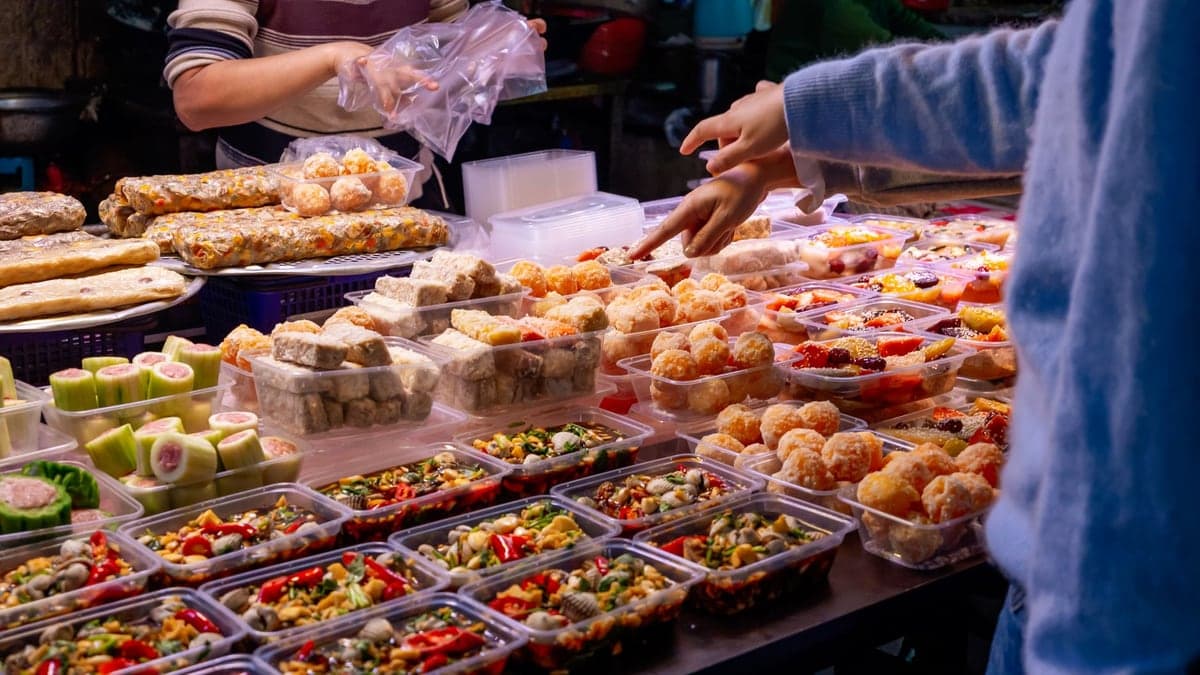
- Provincial and local rules, which may apply to small food workshops, food vendors and certain local products where national legislation permits local adaptation.
Where no national food safety standard exists, a provincial food safety standard may apply within that province. Food producers may also adopt enterprise standards, but these must not conflict with mandatory national standards.
3. Main duties of food business operators
Under the Food Safety Law, food business operators are legally responsible for ensuring that their food is safe and compliant. The main duties include:
- Safety: Food must not be produced, imported or sold if it is unsafe or fails to meet applicable food safety standards.
- Responsibility: The food business operator is responsible for compliance at all stages under its control, including sourcing, production, storage, transport and sale.
- Traceability: Operators must establish food traceability systems or records and keep relevant documentation.
- Recall: If food is found to be unsafe or non-compliant, the operator must stop production or sale, recall products where necessary, and notify the competent authority.
- Cooperation with authorities: Operators must cooperate with official inspections, provide access to premises and records, and allow sampling.
- Own checks: Operators must implement inspection and control measures appropriate to their activities.
These duties are supplemented by licensing conditions, national standards and product-specific rules.
4. Hygiene and HACCP
Food business operators in China must comply with mandatory hygiene requirements set out in national food safety standards. Important general standards include:
- GB 14881 — General Hygienic Regulation for Food Production
- Specific hygiene standards for catering, food service and particular sectors
All food producers and operators must establish food safety management and process control measures. The Food Safety Law requires food producers to implement inspection and control systems for raw materials, production processes, finished products and storage.
The Food Safety Law encourages food businesses to implement and certify HACCP, but does not impose HACCP universally on health food, infant formula or food for special medical purposes. Producers of those special foods have separate statutory quality-management duties. HACCP is mandatory only where an applicable national food safety standard or another product- or activity-specific rule requires it, and it may also be required by customers.
The level of documentation and control should be proportionate to the size and nature of the business, but legal responsibility remains with the food business operator.
5. Licensing and record-filing
Most food businesses in China require a licence before starting operations:
- Food Production Licence / 食品生产许可证 — generally required for food manufacturers and processors.
- Food Operation Licence / 食品经营许可证 — generally required for food retailers, wholesalers, caterers, restaurants and other food business operators.
Licences are issued by local market regulation authorities. The requirements vary depending on the business type, product category, scale and location.
Small food workshops and food vendors may be subject to provincial rules, which can include registration, filing or simplified licensing instead of a full food production or operation licence. Importers and exporters must also complete relevant record-filing or registration procedures with customs where applicable.
Food business operators should confirm the correct licence or filing requirement with the local market regulation authority before starting operations.
6. Labelling and food information
Prepacked food sold in China must comply with mandatory national food safety labelling standards. The main standards include:
- GB 7718 — General Standard for the Labelling of Prepackaged Foods
- GB 28050 — General Rules for Nutrition Labelling of Prepackaged Foods
- Additional standards for special dietary foods, infant formula and other product categories
Key labelling requirements generally include:
- food name
- list of ingredients
- net quantity
- production date and shelf life or expiry date
- storage conditions
- producer or distributor name and address
- food production licence number
- execution standard number
- allergen information as required by the applicable standard
- nutrition information for most prepacked foods
Mandatory labelling information must generally be in Chinese. Imported prepacked food must have Chinese labelling before sale, either affixed at source or in China before distribution, unless specific rules allow otherwise.
7. Imports into China
Food imported into China is subject to inspection and quarantine by GACC under the Food Safety Law and relevant GACC rules. Two key instruments are:
- GACC Decree No. 248 — Regulations on the Registration of Overseas Manufacturers of Imported Food
- GACC Decree No. 249 — Administrative Provisions on Import and Export Food Safety
Under Decree No. 248, overseas enterprises that produce, process or store food exported to China generally must register with GACC, subject to the Decree’s stated exclusions, including food additives and food-related products. The food category determines the registration route: specified categories require a recommendation from the competent authority of the exporting country or region, while other food enterprises apply directly or through an agent. Importers must ensure that imported food complies with Chinese food safety law and standards.
Imported food consignments generally require:
- declaration to GACC through the customs system
- provision of required certificates or documentation
- inspection and quarantine at the port of entry
- laboratory testing where required
- release only after customs and food safety requirements are met
Importers are legally responsible for the safety and compliance of imported food. A foreign supplier’s certificate does not remove the importer’s responsibility.
8. Exports from China
Export requirements depend on the destination country and the product. Exporters must generally comply with Chinese law and must also meet the importing country’s requirements.
Official export certificates, health certificates and similar documents are issued only by competent authorities, usually GACC or the relevant customs office, depending on the product and destination. Exporters should apply early because certification may require prior inspection or documentation.
Private consultants, certification bodies and directory services cannot issue official export certificates or government approvals. A listing in a private directory is not official verification or approval.
9. Product-specific requirements
Food businesses should check whether specific rules apply to their product or sector. Examples include:
- Health food / 保健食品 — subject to registration or filing with SAMR, with specific labelling and claim requirements
- Infant formula milk powder — subject to formula registration and specific production, import and labelling rules
- Food for special medical purposes — subject to product registration and specific standards
- Food additives — must be on the permitted list and comply with applicable national food safety standards
- Contaminants and toxins — maximum levels under national food safety standards
- Microbiological criteria — applicable national food safety standards
- Food contact materials — mandatory national standards
- Organic food — subject to national organic product certification rules
The requirements vary by product, origin, destination, processing activity and business type.
10. Practical points for food businesses
- Identify which national food safety standards and regulations apply to the specific product and activity.
- Obtain the correct Food Production Licence, Food Operation Licence or local registration before starting operations.
- Implement hygiene and process controls, including HACCP where legally required or appropriate.
- Review Chinese labelling and language requirements before placing food on the Chinese market.
- For imports, check GACC overseas manufacturer registration, customs filing, inspection and quarantine requirements early.
- For exports, confirm destination requirements and apply to the competent authority for official certificates.
- Treat private certification schemes as separate from legal compliance. They may be required by customers but do not replace licensing or legal duties.
- Do not rely on private consultants or directory listings for official licences, approvals, certification decisions or export certificates.

